
Santa Ana is a vibrant Orange County community where work, family, school, and other responsibilities can keep life moving quickly. But if you are struggling with depression or anxiety, it can begin interfering with your everyday life.
Residential mental health treatment near Santa Ana provides a setting where you can temporarily step away from your mental health stressors and focus on your recovery. With structured care, professional support, and an individual treatment plan, you can begin to develop healthier ways to navigate difficult moments.
Mental health challenges can show up in many different ways. You might have trouble concentrating at work. You might lose interest in activities or experience changes in your sleep. Sometimes, you can continue handling your responsibilities even while you feel overwhelmed underneath the surface. Residential treatment offers an opportunity to slow things down and address your mental health in an environment built around care rather than everyday obligations.
Your surroundings can play an important role in how you experience treatment. A predictable environment can make it easier to focus on therapy, established routines, and practice skills without having to manage every outside demand simultaneously.
Residential care may provide:
A supportive setting can give you the time and space you need to participate more fully in the treatment process.When did your day last feel like it had room in it?
There is more to mental health than a list of symptoms or a diagnostic lab. Your experiences, relationships, and personal history can influence what you need from your treatment.
At Alter Behavioral Health, your care may bring together therapy, group sessions, psychiatric services, and other forms of behavioral health support. Your treatment can also be adjusted depending on how you respond to it.

Considering residential care can raise practical questions. You may be wondering about our admission requirements and insurance coverage. You can have answers to all your questions when you get in touch.
No two people experience mental health challenges in the same way. Your care team can consider these factors when developing your treatment plan. Depending on your needs, providers may include a therapist, psychiatrist, psychiatric nurse practitioners, and case managers.
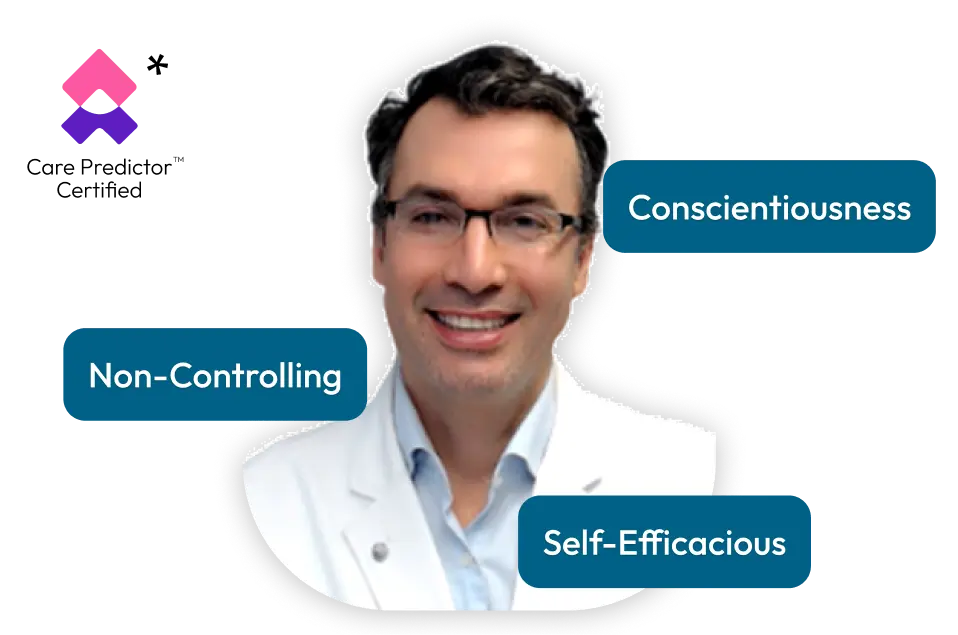
Dr. Araz Tawfique, M.D.
Medical Director/Psychiatrist
Dr. Araz Tawfique, M.D. is an award-winning, Board Certified psychiatrist in La Jolla, CA with over ten years of experience working with people of diverse needs. He pursued his true passion for psychiatry and completed his psychiatric residency training at the University of Reno, Las Vegas. A San Diego native, he returned to Southern California to receive additional training in mental health, and start his private practice. His specialties are psychiatry and psychotherapy, which are techniques that facilitate a better understanding of thoughts, feelings, and motivations. His approach explores the interplay of biology, psychology, and sociology in shaping individuals and their relationships.
Dr. Tawfique’s experience includes delivering comprehensive addiction treatment at substance abuse centers in San Diego.

Medical Director / Psychiatrist

Primary Therapist

Psychiatric-Mental Health Nurse Practitioner
The coordinated approach helps you address current symptoms while giving you opportunities to develop skills that may support your continued well-being.
The therapeutic work can help you explore difficult emotions, recognise patterns in your thoughts and behaviors, as well as process past experiences. Your individualised plan may include approaches such as:
Your providers can determine which therapeutic approaches are appropriate and make changes when your programs or needs call for them.
When emotional difficulties become persistent, routines are often affected. You may experience sleep irregularities, decrease an appetite, and lose interest in social activities. Residential treatment provides the framework where you can begin rebuilding those habits with support around you. Depending on your treatment plan, your days may involve:
Following a consistent routine can help you practice habits that may continue to support you even after residential treatment ends.

It can be difficult to focus on mental health with the same responsibilities and stress continuing to demand your attention every day. Residential care provides a temporary change of pace, or treatment becomes a central part of your day. You can use this time to explore what you are experiencing and work with providers to come up with a treatment plan for lasting change.
Residential treatment combines a supportive living environment with professional mental health services. Provides greater day-to-day structure than traditional outpatient care while allowing you to focus on your treatment consistently.
Residential care may be considered if environmental health symptoms are seriously affecting your daily routine. A clinical evaluation can also help you determine the appropriate level of care.
A balanced mix of therapy, rest, meals, reflection, and support activities.
There is no standard length that applies to everyone. Your symptoms, treatment quote, clinical needs, progress, and the way you respond to treatment can all influence that recommendation.
Family can be involved in your treatment when it is clinically appropriate. Loved ones may be required to participate in certain therapies to improve outcomes.
Some health insurance plans include behavioral health coverage that may help pay for residential services. Coverage varies; the admissions team can help verify your benefits and provide information about your plan.
Your treatment team may include licensed therapists, psychiatrists, psychiatric nurse practitioners, and case managers. The specific team will depend on your clinical needs.
Alter Behavioral Health facilities can be found across Southern California. If you’re looking for residential care near Santa Ana, admissions can guide you regarding available locations and help you identify an appropriate treatment setting.
Before your admission, you will be provided a list of items that are permitted, such as toiletries, clothing, and medication. You will also be provided a list of items that are not allowed.
Your care team can help create a transition plan for continued support. This will include medication management, outpatient therapy, and follow-ups.