Eucalyptus Hills feels open and quiet, the kind of place where life looks calm on the surface. But inner experience doesn’t always match that setting. You can still feel mentally overloaded, emotionally drained, or stuck in a constant sense of catching up, even when nothing around you seems wrong. From the outside, you’re functioning and getting through the day, but internally, it can feel like there’s no real recovery between moments. Over time, that stops feeling like “just stress” and starts feeling like depletion. That’s often when residential mental health treatment near Eucalyptus Hills begins to feel less distant and more like a necessary pause.
Life in Eucalyptus Hills can appear steady, routines stay in place, responsibilities get handled, and nothing looks visibly wrong. But functioning doesn’t always mean feeling okay. Over time, emotional bandwidth can quietly shrink, making everyday tasks feel heavier and decisions more draining than they should be. You keep moving through the day, but with less internal space to recover or breathe. Because life still “works,” this shift is easy to miss. Residential care offers a break from that constant pressure, creating space to step out of survival mode instead of continuing to push through it.
At Alter Behavioral Health, the environment is designed to reduce internal strain, not add to it:
When did your day last feel like it had room in it?
In communities like Eucalyptus Hills, people often learn to keep things composed on the outside, even when things feel heavy internally. You manage your responsibilities, your tone, and your daily life in a way that hides how much effort it actually takes to get through the day. Over time, that constant internal holding back becomes draining, and even small pressures start to feel bigger than they should. Residential mental health treatment near Eucalyptus Hills creates space where that performance isn’t required. The focus shifts away from looking fine and toward actually reducing what you’re carrying inside.

Most people don’t feel prepared when they first think about residential care. The decision usually shows up alongside exhaustion, uncertainty, and the feeling that something has to change, even if you’re not sure how.
Readiness isn’t a starting point; it’s something that develops after support begins.
When stress or anxiety lasts long enough, it can start to feel like an identity rather than an experience. Like this is just who you are. But internal states shift. They intensify, soften, return, and change based on environment, support, and capacity.
In residential care, the aim is to separate identity from overload:
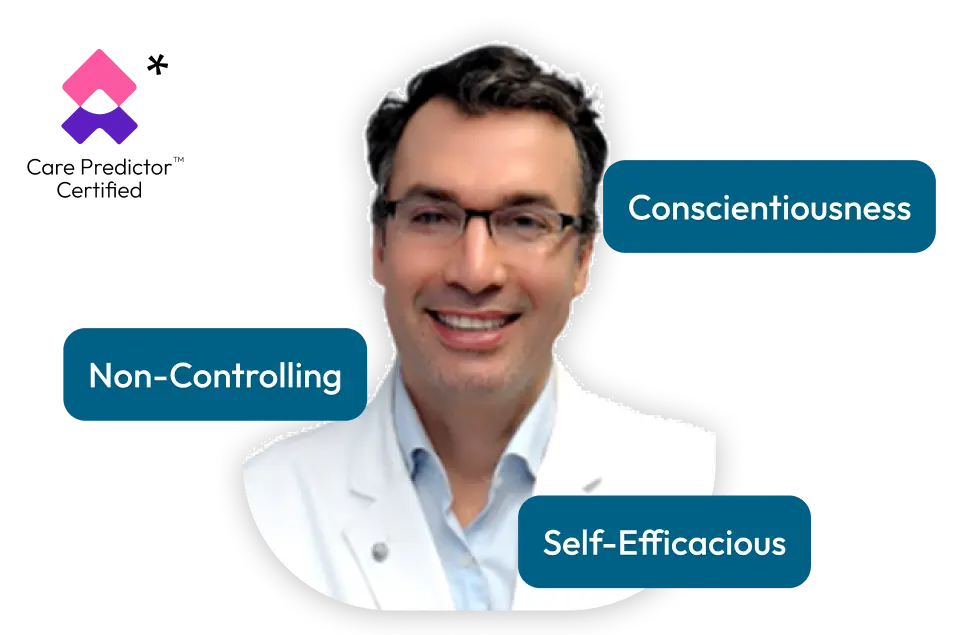
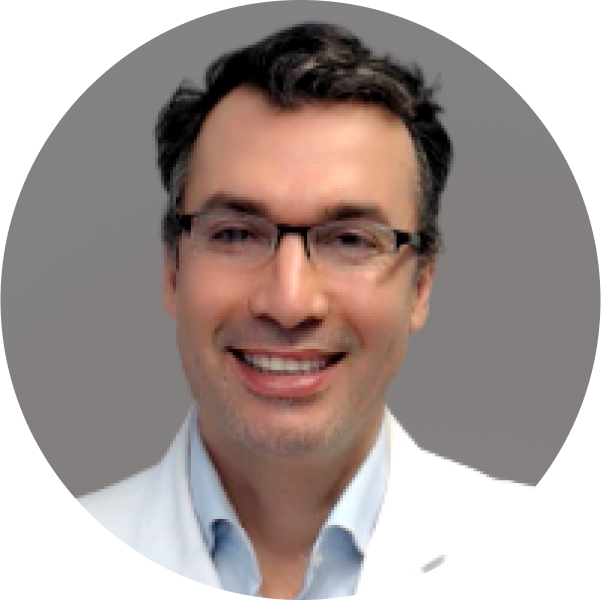
Dr. Araz Tawfique, M.D.
Medical Director/Psychiatrist
Dr. Araz Tawfique, M.D. is an award-winning, Board Certified psychiatrist in La Jolla, CA with over ten years of experience working with people of diverse needs. He pursued his true passion for psychiatry and completed his psychiatric residency training at the University of Reno, Las Vegas. A San Diego native, he returned to Southern California to receive additional training in mental health, and start his private practice. His specialties are psychiatry and psychotherapy, which are techniques that facilitate a better understanding of thoughts, feelings, and motivations. His approach explores the interplay of biology, psychology, and sociology in shaping individuals and their relationships.
Dr. Tawfique’s experience includes delivering comprehensive addiction treatment at substance abuse centers in San Diego.
Medical Director / Psychiatrist

Primary Therapist
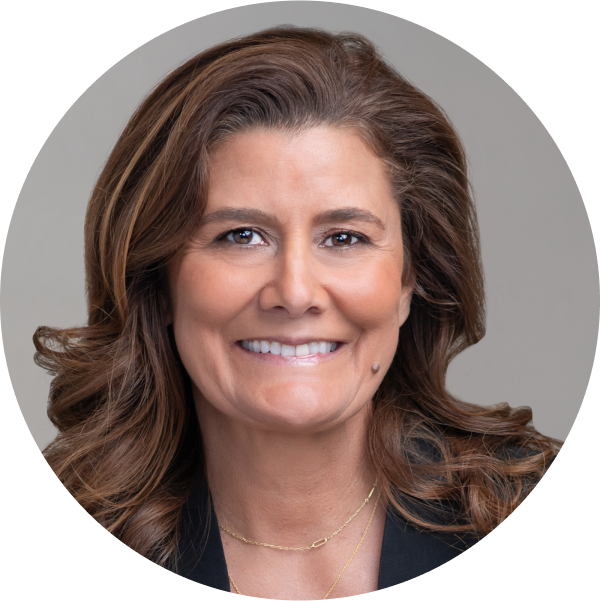
Psychiatric-Mental Health Nurse Practitioner
If the intensity settled, what would feel more like “you” again?
When one type of support hasn’t helped, it can feel like nothing will. But mental health recovery often requires more than a single method; it requires a combination and timing.
Residential care allows different approaches to work together:
What if the issue wasn’t effort, but fit?
When mental strain builds up, everyday structure tends to break down. Sleep becomes irregular, meals become inconsistent, and time starts to feel hard to track.
Residential treatment reintroduces structure in a way that reduces effort, not adds rules:
How much energy would you return if your day wasn’t constantly fragmented?

Eucalyptus Hills already offers a quieter environment, but internal relief depends on more than geography. It depends on whether you’re still operating in high-pressure mode while surrounded by calm.
When that pressure begins to ease, everyday moments shift, conversations feel less draining, silence feels less heavy, and rest starts to actually register as recovery.
If you’re ready, the next step is to reach out to Alter Behavioral Health.
No, the length of stay is based on individual needs and progress.
Yes, familiar belongings are encouraged for comfort and grounding.
A balanced mix of therapy, rest, meals, reflection, and support activities.
Yes, when appropriate, with structured guidance.
Often, yes, and verification support is available.
Yes, personal space and confidentiality are prioritized.
Yes, care is provided by qualified professionals.
Yes, coordination assistance can be provided.
Comfortable clothing, essentials, and grounding personal items.
A structured aftercare plan supports long-term stability and continuity.
Connect with our compassionate team to get a personalized treatment plan designed around your needs.
All calls are 100% free and confidential