Bulimia is not just about food.
It is about control. It is about fear. And it is about shame that will not stay quiet.
You binge. You purge. You promise yourself it is the last time. Then it happens again.
How long can your heart handle that? How long can your mind stay strong in that loop?
In California, emergency rooms have seen more eating disorder cases since 2023. Eating disorders also have one of the highest death rates among mental health illnesses.
This is not a drama. It is medical.
So, when therapy once a week does not work, what comes next?
That is where residential treatment for bulimia nervosa comes in. Not as punishment or isolation. But as a strong structure that breaks the cycle.
Let’s make this simple.
What Is Eating Disorder Residential Treatment?
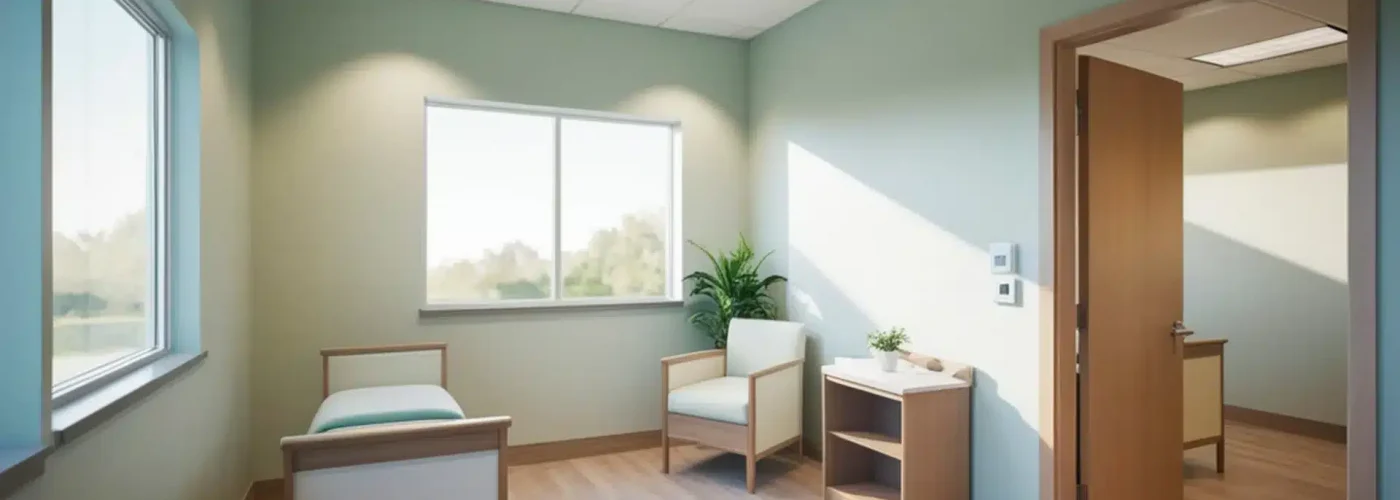
Residential care means you live at the center.
You do not visit. You stay.
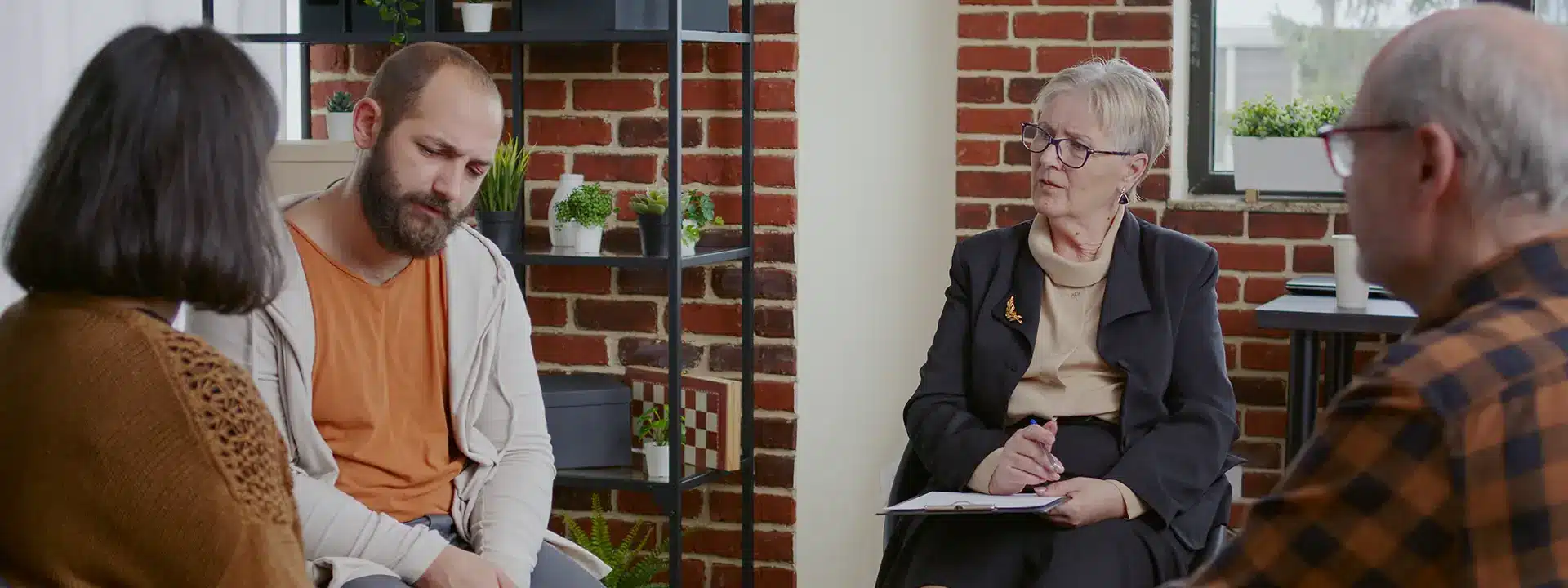
You eat meals with staff watching. You meet therapists every day. And nurses check your health.
Why does that matter?
Because bulimia hides in private spaces. Residential care removes those spaces.
The National Institute of Mental Health (NIMH) explains that eating disorders can cause serious health problems. These include heart rhythm problems and low body salts. Both can be life-threatening.
Those risks need more than talk.
Alter Behavioral Health provides Residential Mental Health Treatment. We do not treat food alone. We check for depression. We screen for anxiety. We look at mood swings.
Because bulimia rarely shows up alone.
So, ask yourself: Is home helping you heal? Or is it keeping the cycle alive?
Why Choose Residential Eating Disorder Therapy?
Because the level of care must match the level of danger.
If you purge every day, weekly therapy may not be enough. If you feel faint or weak, the risk rises fast.
Renee D. Rienecke and colleagues (2024) studied 1,104 adults with eating disorders. Their body mass index, or BMI, ranged from 14 to 17. That is very low. That is dangerous.
Researchers followed patients from 2019 to 2024. Some entered 24/7 inpatient or residential care. Others entered partial hospitalization (PHP) or intensive outpatient programs (IOPs).
They checked BMI at the start and end of treatment. They also used a survey called the EDE-Q to measure eating disorder symptoms.
Patients in 24/7 care gained an average of 3.79 BMI points. Patients in non-24/7 care gained 2.17 points. Even after adjusting for diagnosis, length of stay, and starting BMI, residential patients gained weight faster.
Weight went up more quickly in 24/7 care. Both groups improved in their thoughts and feelings. But the biggest change showed up in physical safety.
The reason? Supervision. Practice. Daily support.
In California, the Los Angeles Times reported more teen hospital stays linked to eating disorders after the pandemic. Many families waited too long. Symptoms got worse.
Waiting slows progress.
Alter Behavioral Health includes mental health care in residential treatment. We also treat:
Why does that matter? Because anxiety can push bingeing. Depression can push purging.
Residential care treats all of it together.
How Do Bulimia Rehab Programs Help?
These programs create routine.
Bulimia grows in chaos. Healing needs order.
A strong residential program includes:
- Supervised meals
- Cognitive Behavioral Therapy (CBT)
- Dialectical Behavior Therapy (DBT)
- Medical care
- Family sessions
The Substance Abuse and Mental Health Services Administration (SAMHSA) says that care works better when medical and mental health treatment happen together.
Daily practice builds new habits.
Think about this. If you purged for five years, can one hour a week fix that? Or does your brain need daily practice?
Alter’s Residential Mental Health Treatment gives that daily support. Staff stay close. We step in early. We do not wait for things to fall apart.
That structure stops urges before they turn into action.
And stopping the cycle builds new paths in the brain.
Is Intensive Bulimia Treatment Necessary?
Not always. But sometimes, yes.
Here are warning signs:
- Purging many times a day
- Fast or uneven heartbeat
- Outpatient therapy did not help
- Deep depression
- Thoughts of self-harm
NEDA (National Eating Disorders Association) reports that about one-quarter to one-third of people with anorexia, bulimia, or binge eating disorder have thought about suicide. Many have attempted it.
That is not fear talk. That is a fact.
When risk goes up, care must step up, too.
Alter Behavioral Health also runs a Crisis Stabilization Unit (CSU). If someone comes in during a crisis, we focus on safety first.
Because safety always comes first.
So, ask yourself honestly: Are you in control? Or is bulimia in control?
How Effective Are Bulimia Recovery Centers?
Results depend on depth.
Michael Gossop and his team studied 408 clients in 23 residential treatment programs. They found lower rates of risky behavior, heavy drinking, and crime after treatment. Longer stays led to better results.
Staying longer helps.
But real success also means treating deeper issues.
Alter Behavioral Health checks for complex needs, including Autism with co-occurring disorders. Why? Because brain differences can affect eating habits. Rigid thinking can strengthen food rules. Sensory issues can change how food feels.
Shallow care misses that.
Residential treatment for bulimia nervosa works when it treats the whole person. Not just food. Not just weight.
The whole human.
How Long Is Residential Bulimia Treatment?
Most stays last 30 to 90 days.
Why that long? Because habits do not break on a weekend.
The National Alliance on Mental Illness (NAMI) says that steady, structured care improves long-term results in serious mental health conditions.
Time allows:
- Medical safety
- Skill building
- Emotional healing
- Family repair
Short stays calm the crisis. Longer stays build strength.
Alter Behavioral Health adjusts the length of stay based on progress. We check safety. We track behavior change. We do not rush people out the door.
Because rushing often leads back to relapse.
So, do you want fast relief? Or real recovery?
FAQs
What is residential treatment for bulimia nervosa?
It is live-in mental health care with medical and therapy support. Patients get daily supervision. It removes access to binge and purge habits.
How is residential treatment different from outpatient therapy?
Residential care runs 24/7. Outpatient therapy happens once or a few times a week. Severe cases need a stronger structure.
Is residential care only for teens?
No. Adults can join residential mental health programs, too.
How long does treatment last?
Most stays last 30 to 90 days. It depends on safety and progress.
Does Alter Behavioral Health treat other mental health issues?
Yes. We treat depression, anxiety, bipolar disorder, and more.
What if someone is in crisis?
Our Crisis Stabilization Unit helps during emergencies. Safety comes first.
Is bulimia dangerous?
Yes. It can hurt the heart and body salts. Suicide risk also rises.
Can family join treatment?
Yes. Family support often improves recovery.
Does insurance cover treatment?
It depends on your plan. Our team can check your benefits.
How do I start treatment?
Contact our admissions team through the website. We assess your needs and guide the next steps.
When Will You Decide It’s Enough?
Bulimia drains the body. It takes over the mind. It shrinks your world.
Residential treatment for bulimia nervosa works because it replaces chaos with structure. It pairs therapy with medical care. It treats other mental health issues too. It builds real skills for real life.
Alter Behavioral Health offers crisis care and residential treatment in one system. That matters.
You do not need another promise.
You need support strong enough to hold you steady.
Call us. Ask your questions. Take the step before the cycle tightens again.