
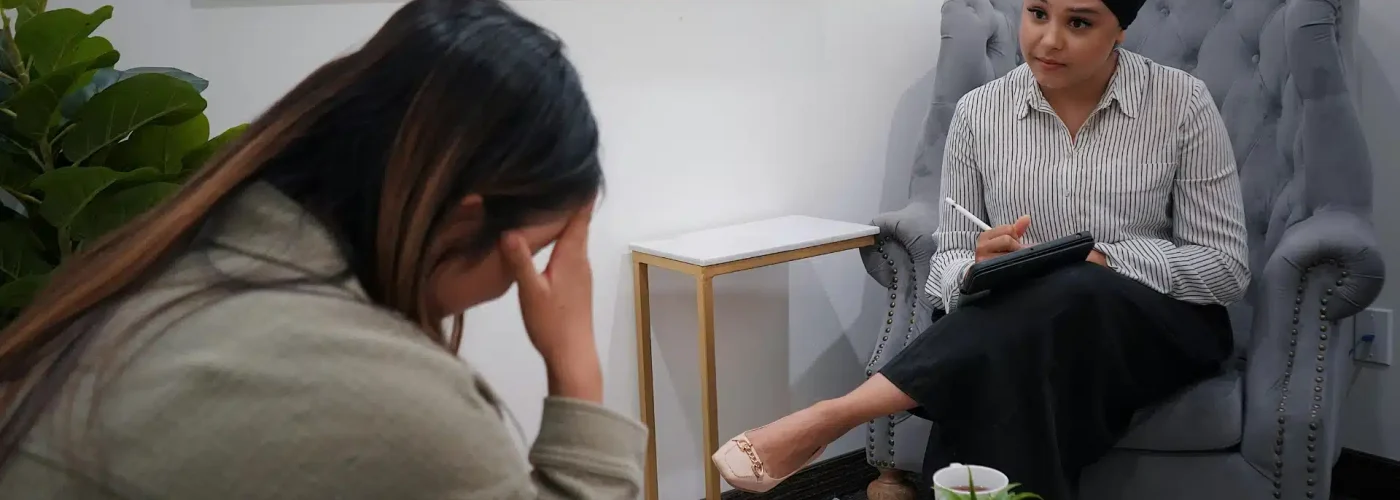
Have you ever felt like you’re stuck in a fog that just will not lift, no matter what you try? You go to therapy. You take your medication. You try to “stay positive.” But every morning still feels heavy. If outpatient care has not been enough, Residential Treatment for Major Depressive Disorder may be the next step. Think of it like pressing pause on outside stress so you can fully focus on healing.
Instead of going to therapy for one hour a week, you temporarily live in a supportive setting where mental health professionals are available every day. This level of care is often meant for people with severe symptoms, those who have not improved with standard treatment, or those who need a safe and structured environment to stabilize.
What Is Treatment-Resistant Depression?
Imagine trying two or three different medications and still feeling the same. This is often called treatment-resistant depression. Some individuals do not respond to first-line treatments and require more intensive care.
Think of it like treating an infection. If the first antibiotic does not work, doctors try a different approach. In the same way, when depression does not improve after several treatment attempts, doctors may suggest a higher level of care, including Residential Treatment for Major Depressive Disorder, where medication adjustments, therapy, and monitoring happen more closely and safely.
Understanding Severity Levels
Depression is often described as mild, moderate, or severe.
- Mild means symptoms are present, but a person can still manage daily life, even if it feels hard.
- Moderate means daily tasks like working, studying, or caring for family become difficult.
- Severe means a person may not be able to function normally at all.
Severe depression can include thoughts of self-harm, deep hopelessness, or complete withdrawal from life. When symptoms reach that level, Residential Treatment for Major Depressive Disorder may be recommended because the person needs more support than weekly appointments can provide.
When symptoms reach that level, Residential Treatment for Major Depressive Disorder may be recommended because the person needs more support than weekly appointments can provide.
Warning Signs That Outpatient Care May Not Be Enough
Depression is not just about feeling sad. It affects the brain’s ability to focus, make decisions, and regulate emotions. Major depressive disorder can interfere with relationships, employment, and physical health.
Think of daily functioning like a phone battery. Mild depression might drain it faster than usual. Severe depression can feel like the battery never charges at all. When someone cannot “recharge” in their regular environment, stepping into a structured, supportive space can help reset that system.
Sometimes the signs are clear. Other times, they build slowly. Here are some red flags:
- Missing work or school repeatedly
- Isolating from friends and family
- Not eating or sleeping properly
- Feeling hopeless most of the day
- Having thoughts about self-harm
If someone cannot stay safe on their own, cannot function at work, or feels stuck despite ongoing therapy, a structured residential setting may provide the stability they need.
What Happens Inside a Residential Treatment for Major Depressive Disorder Program
When someone enters Residential Treatment for Major Depressive Disorder, the goal is simple: restore stability, safety, and hope. Depression often disrupts sleep, appetite, focus, and motivation. A structured daily routine helps reset those patterns. Residents wake up at a consistent time, attend therapy sessions, eat balanced meals, and participate in guided activities that support emotional recovery.
- Cognitive Behavioral Therapy helps residents identify negative thought patterns and replace them with healthier ones.
- Dialectical Behavior Therapy teaches skills for managing intense emotions and stress.
- Trauma-informed care ensures people feel safe while processing difficult experiences.
Frequently Asked Questions
What is Residential Treatment for Major Depressive Disorder?
It is a live-in mental health program where individuals receive 24/7 care, therapy, and medical support. It helps people with severe depression who need more structure than weekly outpatient therapy.
How long does residential treatment usually last?
Most programs last between 30 and 90 days. The exact length depends on symptom severity, progress, and individual treatment needs.
Who is a good candidate for residential treatment?
People who struggle with severe depression, suicidal thoughts, or daily functioning may benefit. It is often recommended when outpatient therapy has not been enough.
What therapies are used in residential treatment?
Programs typically use Cognitive Behavioral Therapy, Dialectical Behavior Therapy, and trauma-informed care.
Will I receive medication management?
Yes. Licensed psychiatrists monitor symptoms, prescribe medications if needed, and adjust treatment safely throughout the program.
Is residential treatment the same as hospitalization?
No. Hospitalization focuses on crisis stabilization. Residential treatment provides longer-term, structured therapy in a supportive setting.
Can I have contact with family during treatment?
In most programs, yes. Family therapy sessions and supervised communication are often encouraged to strengthen support systems.
Does insurance cover residential treatment?
Many insurance plans provide partial or full coverage, depending on medical necessity. It is best to verify benefits directly with the provider.
What happens after completing residential treatment?
Most people transition to outpatient therapy or step-down programs. Continued care helps maintain progress and prevent relapse.
How do I get started with treatment?
You can contact Alter Behavioral Health for a confidential assessment. Their team can guide you through the admissions process and next steps.
How Alter Behavioral Health Can Help
At Alter Behavioral Health, we understand that major depression is not just sadness. It affects your sleep, your energy, your relationships, and your sense of self. That is why we provide structured, compassionate Residential Treatment for Major Depressive Disorder that focuses on real healing.
We combine evidence-based therapies, psychiatric care, and community support to help you rebuild daily stability and emotional strength in a safe environment. Our team works closely with each client to create a personalized plan that supports long-term recovery, not just short-term relief.
You do not have to face depression alone. If you or someone you love is struggling, reach out to us today. Contact Alter Behavioral Health to learn how our residential program can help you take the first step toward lasting recovery.