
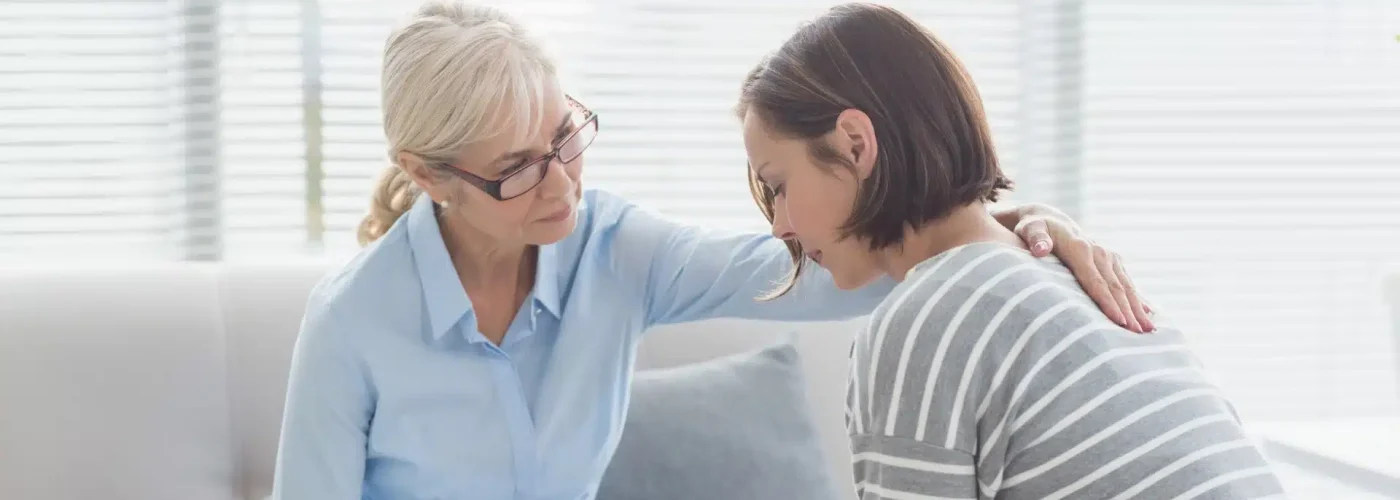
Self-harm is a way of coping. It isn’t a character flaw, and it’s not something you choose to do because you’re weak or broken. It’s a sign that you’re hurting. Your brain is working hard to cope with that pain.
If you’ve hurt yourself, you’re not alone. Millions of people engage in self-harm at some point in their lives. And if you’re reading this, some part of you knows that there’s another way. That part of you is right.
A self-harm treatment center is built for people just like you. Here, your pain is understood. No one judges you for your hurt—they help you. You learn new ways to cope and actually feel better without harming yourself.
Let’s look at what self-harm really is, why you might be doing it, and how a treatment center can help you stop.
What Is Self-Harm?
Self-harm means you intentionally hurt your own body. That could be cutting, burning, scratching, hitting, or any way you cause physical pain.
People who self-harm aren’t trying to end their lives. They do it for different reasons. Some people do it when they’re numb. They want to feel something, anything. For others, the physical pain is easier to handle than emotional pain. And some people do it to feel in control when everything else is slipping out of hand.
While your problems are very real, self-harm isn’t a solution.
That’s why a self-harm treatment center like Alter Behavioral Health exists. We help you find solutions that actually work.
The Cycle of Self-Harm
Self-harm tends to follow a pattern. When you understand how this cycle works, it’s easier to see why breaking it on your own is so tough.
Step 1: Trigger
Something happens—a conflict, a memory, or just a feeling. Stress starts to build.
Step 2: Overwhelm
You get hit with a wave of intense emotions. Everything feels like too much, and you need relief right away.
Step 3: Urge
That urge to hurt yourself shows up. In the moment, it feels like it’s the only way out.
Step 4: The Act
You hurt yourself and feel instant, but temporary relief.
Step 5: Shame
But as soon as that relief fades, shame creeps in. You might hurt yourself again or feel disappointed in yourself, which just makes everything feel worse.
Step 6: The Cycle Repeats
Then a new trigger appears, maybe a few days or even hours later, and the whole cycle starts again.
Breaking this cycle on your own is really hard. That’s what treatment is for. A self-harm treatment center teaches you to interrupt the cycle at multiple points so you don’t end up hurting yourself.
Understanding Self-Harm Scars
Scars are reminders. Some people feel ashamed of them, while others see them as proof they made it through pain and kept going.
Both reactions are completely valid. Self-harm scars don’t define who you are. They’re part of your story, but they don’t have to shape your future.
Physical scars are just one part of what you’ve been through. The emotional scars—like shame, guilt, or feeling like you deserve pain—are what treatment helps with the most. Once you start to heal emotionally, the physical scars matter less. You stop seeing them as signs of failure and start seeing them as proof that you survived.
Some people choose to work with dermatologists on scar reduction. Others decide to accept them as part of their journey. Either way is okay. The most important thing is healing your mind, not trying to erase your past.
The Danger of Self-Harm Relapse
One of the biggest fears people have is self-harm relapse.
Maybe you’ve gone weeks or even months without hurting yourself, and then something happens, and you slip back into old habits. That moment can feel crushing. It might seem like you’ve failed or that you’ll never be able to stop for good.
Relapse is part of recovery. It doesn’t wipe out all the progress you’ve made. It just means you hit a trigger you weren’t ready for yet.
Many people who experience relapse still go on to recover successfully. Why? Because relapse teaches you what you still need to work on. It shows you which coping skills aren’t strong enough yet, and it pushes you to heal even more deeply.
If you relapse, you’re not starting from scratch. You make adjustments. You try something new. You reach out for more support. A mental health treatment center doesn’t just help you prevent relapse; it also prepares you for these moments, so a relapse doesn’t throw you off your path to recovery.
What Happens at a Self-Harm Treatment Center
Treatment isn’t about judgment. It’s about learning new skills and healing the pain underneath.
At Alter Behavioral Health, treatment includes:
- Individual therapy: You’ll work one-on-one with a therapist who understands self-harm. Together, you’ll talk through your pain and start to figure out why you self-harm.
- Group therapy: You’ll connect with other people who truly get it because they’ve been there too. It’s a reminder you’re not alone.
- Psychiatric evaluation: A lot of people who self-harm also struggle with depression, anxiety, or trauma. Sometimes, medication can help with those issues.
- Coping skills training: You’ll learn real, practical alternatives to self-harm. These are things you can actually use when you’re feeling overwhelmed.
- Family involvement: If you want, your loved ones can learn how to support you in a helpful way, without enabling self-harm.
The therapies used are evidence-based.
Dialectical Behavioral Therapy (DBT) is particularly effective for self-harm. It teaches you how to handle intense emotions without hurting yourself.
Cognitive Behavioral Therapy (CBT) helps you understand the thoughts that lead to self-harm and shows you how to change them.
Learning New Coping Skills
Self-harm brings temporary relief, which comes with consequences.
Real recovery means picking up new skills that:
- Give you relief without hurting you
- Work fast when you’re in crisis
- Get easier the more you practice them
- Don’t create more problems down the line
These coping skills might include:
- Holding ice in your hand to feel a strong sensation without harm
- Doing intense exercise
- Taking a cold shower
- Using grounding techniques
- Practicing deep breathing
- Reaching out to talk to someone
Our therapists understand that techniques that worked yesterday might not work today. That’s why we teach you multiple techniques. Having a toolbox means you always have an alternative.
Why Inpatient Treatment Matters
If you’re self-harming often before your previous self-harm scars can fade, your urges are really strong, or you’re having thoughts of suicide, inpatient treatment might be the best option.
Inpatient means you stay at the center around the clock. You’re in a safe place where:
- You can’t access tools to hurt yourself
- There’s immediate support whenever those urges hit
- You get to learn new skills
- You’re surrounded by people who understand what you’re going through
- You have the structure and stability you need
It’s intensive support during your most vulnerable time. For a lot of people, just a few weeks of inpatient treatment makes a huge difference. You start to build momentum. You realize that life without self-harm really is possible.
Moving Forward Without Self-Harm
Recovery looks like:
- Days go by, and you don’t even feel the urge to self-harm
- When urges do show up, you use your coping skills instead of acting on them
- You understand why you self-harmed, but you don’t feel ashamed about it
- You build a life that actually feels worth living
- You connect with people who truly support your recovery
This doesn’t happen overnight, but it does happen. With the right therapy, people recover from self-harm every day. You can, too.
Take the First Step Today
You don’t have to keep hurting yourself. You don’t have to feel this way forever.
A self-harm treatment center exists because you deserve help. You deserve support. You deserve to feel better.
The hardest part is reaching out. Once you do that, everything else gets easier.
Contact us today. We’re here 24/7. When you call, you’re not admitting defeat—you’re choosing yourself, you’re choosing recovery, and you’re choosing life.
Your pain is real, but so is your solution. Reach out when you’re ready.
Frequently Asked Questions
Can I recover from self-harm?
Yes, you can. People recover from self-harm every single day. With the right treatment and support, you can find ways to manage pain that don’t involve hurting yourself.
What if I relapse after treatment?
Self-harm relapse is common, and doesn’t mean your treatment didn’t work. It just means you hit a trigger that you still need help with. Reach out to your therapist or treatment center right away. Remember, relapse is part of the recovery process—not the end of it.
How long does treatment take?
It’s different for everyone. Some people do well after a few weeks of inpatient treatment, while others might need several months of outpatient therapy. Recovery happens at your own pace.
Will people judge me at a treatment center?
No, you won’t be judged. Treatment centers are full of professionals who are trained to be compassionate and understanding. They know that self-harm is a symptom, not a character flaw. You’ll be treated with respect.
What if I’m scared to stop?
That fear is completely normal. Self-harm has been your way of coping, so the thought of letting it go can feel scary or even risky. Treatment helps you find other, healthier ways to manage so that you won’t be left without tools.
If you are in immediate danger or thinking about harming yourself, please call your local emergency number right now or contact a suicide prevention hotline.
In the U.S., you can call or text 988. If you’re outside the U.S., your local health services can help connect you to support.