
Healing from trauma is rarely linear. The journey has its ups and downs. Trauma recovery shows common processes. When you understand these stages, you know what to expect. You come to terms with the fact that what you are experiencing is completely normal.
Whether you survived a single traumatic event or multiple instances of childhood trauma, your brain and body have both been affected. The good news? Recovery is possible. And you can take control of your healing journey.
At Alter Behavioral Health, we help clients understand each stage and move forward with compassionate, evidence-based care. Let’s see what the seven stages of trauma recovery are.
Understanding the 7 Stages of Trauma Recovery
Healing from trauma is a step-by-step process.
Research supports this. A 2020 review on the neurobiology of emotional trauma found that trauma can cause lasting changes in how the brain works. A traumatic experience can affect parts of the brain that handle emotions and how you react to stress, like the amygdala and prefrontal cortex. The brain is biologically responding to stress, which is why the “stages” occur at all.
Each stage is important and helps you build a strong path forward. You move through phases of trauma recovery at your own pace. There’s no rush.
Stage 1—Shock and Denial
After a traumatic event, your mind tries to protect you by shutting down. This can feel very strange. You might feel numb or disconnected. You might feel like what happened isn’t real. Some people describe it as watching themselves from outside their body.
Denial is your brain’s way of saying, “This is too much to process right now.” This stage is a survival tool. It keeps you stable when emotions overwhelm you.
What happens when you’re in denial:
- You feel emotionally numb.
- Time seems to move differently.
- You might not remember details clearly.
- Your body goes into survival mode.
This is the first part of the trauma timeline. How long stage one lasts is different for every person. It may last a few hours for one person and a few weeks for someone else.
Stage 2—Pain and Anger
As the shock fades, your real emotions start to surface. You might feel a lot of pain or get very angry at yourself, other people, or life in general. Despite what you might think, this anger is actually healthy and a good sign. It means you’re starting to accept what happened.
Many people stay stuck here because anger feels scary. But managing the anger in a safe way is important. It means you are moving from feeling numb to feeling your real emotions. This is progress.
What you might notice:
- You feel really sad.
- Anger flares up suddenly.
- You get annoyed even with loved ones.
- The grief feels real.
Stage two is when trauma processing begins. You’re starting to face what happened instead of avoiding it.
Stage 3—Bargaining and Shame
Your mind tries to make sense of the trauma by creating “what if” scenarios. “What if I had done something different?” This is called bargaining. Your brain does this to feel more in control and to try to avoid getting hurt again.
You might also feel shame or blame yourself, even if the traumatic incident was not your fault. This is very common. Shame grows when you keep it secret, but it gets smaller when you talk about it with someone who cares.
What happens:
- You keep having intrusive thoughts about what happened.
- You tell yourself, “If only I had done something different.”
- Feelings of guilt and shame get stronger.
- You might pull away from other people.
Knowing this stage can help you see that these thoughts are a normal part of trauma, not the truth about who you really are.
Stage 4—Grief and Deep Processing
When you process what happened, you might feel very sad. This sadness is called grief. It is not the same as depression. You are missing your old life and learning to accept what has changed.
This stage involves learning trauma processing techniques and real emotional work. You are not stuck; you are just healing from within. During this time, getting help from our expert clinical team at Alter Behavioral Health can make this stage a lot easier. Therapies like EMDR can help you deal with painful memories in a safe way.
What happens:
- Deep sadness and grief
- Withdrawal from activities you enjoyed
- Sleep and appetite changes
- Thoughts that life will never get better
This is the hardest stage, but it’s also where real transformation begins.
Stage 5—The Turning Point
Slowly, things start to change. You notice that you survived and you are still here. The pain is not as severe as before. Some days feel a little easier.
This change happens slowly, and you might not notice it right away. Gradually, you shift from just surviving to really healing. You feel hopeful again.
What you might notice at the turning point:
- You have more good days than bad.
- You can laugh without feeling guilty.
- You start thinking about the future.
- Anger starts to cool down.
Signs you are healing from trauma include accepting what happened without it defining your future. You’re not “over it” yet, but you’re moving forward and making slow, meaningful progress.
Stage 6—Working Through and Integration
Now you start to do the real work. You stop fighting your feelings and begin to understand them. You integrate trauma processing techniques into your daily life. Maybe it’s therapy, writing in a journal, moving your body, or doing something creative.
This stage is about rebuilding your life. You connect with people and do activities you enjoy. You set healthy boundaries and make new routines that support your healing.
What happens:
- You work on your recovery every day.
- You try new ways to cope.
- You rebuild relationships.
- You start setting goals again.
At Alter Behavioral Health, we use personalized treatment plans with therapies like Cognitive Behavioral Therapy, Dialectical Behavioral Therapy, and trauma-focused approaches. These tools help you rewire your brain and break the cycle of trauma.
Stage 7—Acceptance
You get to a place where the trauma is part of your life, but it does not control you. You have learned from what happened and can see how it changed you, but it does not define who you are.
This does not mean you never think about the incident again. It means those memories do not hurt you as much anymore. You can talk about what happened calmly. You keep moving forward and feel stronger.
What you might notice:
- The memories do not feel as painful.
- You can help others who have been through trauma.
- You feel thankful for your own strength.
- You are living a full life, not just surviving.
Signs you are healing from trauma at this stage include feeling peaceful and living fully while respecting your past.
The Trauma Timeline—Patience Is Key
Healing takes time. There’s no standard trauma timeline. Some people move through these stages in months, others in years. That’s okay, and it totally depends on you.
You might not go through the stages in order. Sometimes you go back to an earlier stage if something reminds you of the trauma. Healing is not a straight line. You go through the process again and again, each time a little deeper.
Moving Forward With Professional Support
Understanding the phases of trauma recovery is the first step. Getting professional help is the next step.
Our licensed clinicians specialize in trauma treatment. We use proven therapies that fit your needs. We understand that each person’s stages of healing from trauma are different. We provide:
- Trauma-informed therapy with EMDR
- Personalized treatment plans
- Safe, compassionate environments
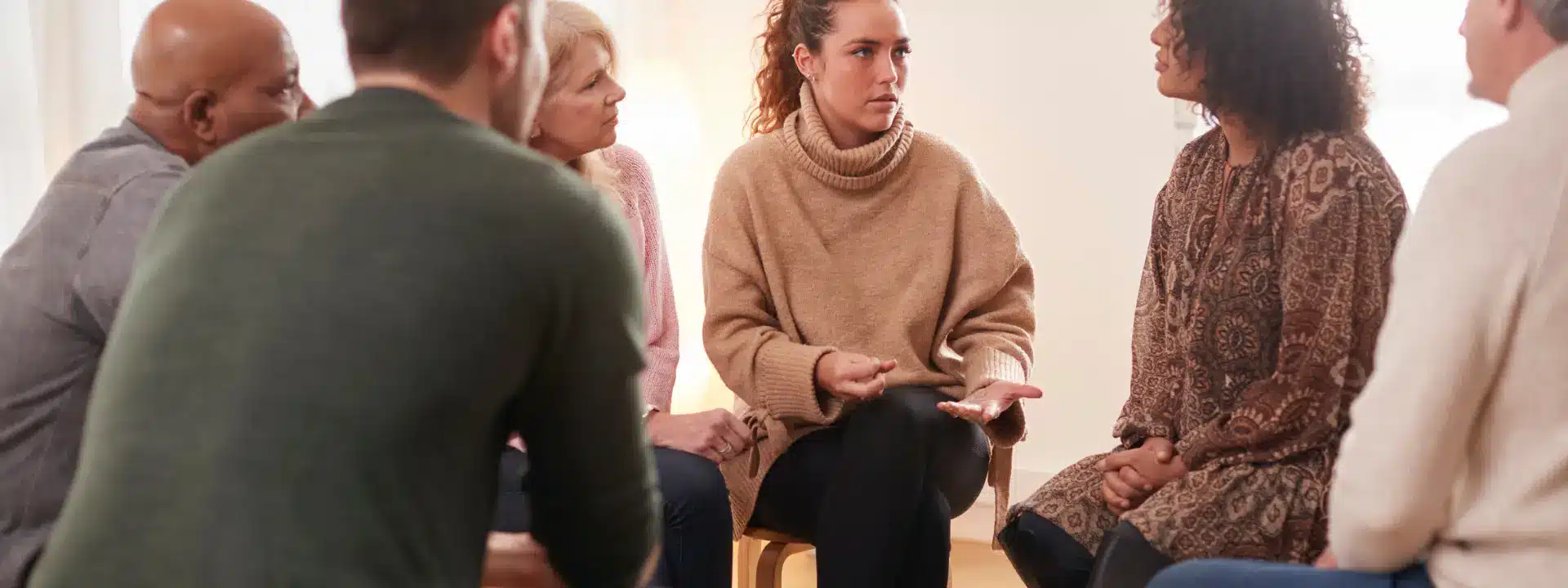
- Groups and individual therapy
- Skill-building for lasting recovery
In a 2020 systematic review, researchers studied 114 randomized controlled trials, involving over 8,000 adults with PTSD. According to the study, CBT and EMDR are effective treatments for PTSD and trauma.
Your Healing Starts Now
It’s okay if you don’t have everything figured out. Just take the first step. Reach out, talk to someone, and let others help you.
The journey through stages of trauma recovery is hard, but you’re not alone. Thousands of people have walked this path before you and found their way to peace. You can too.
Don’t wait another day. Contact us today to speak with an admissions counselor. We’re here 24/7, and our team understands exactly what you’re going through. Your healing starts with one conversation. Make that call today.
Frequently Asked Questions
How long does trauma recovery take?
There is no exact timeline for healing. Some people start to feel better in a few months, while others need years. It’s important to be patient and gentle with yourself during this process.
Can I skip stages?
Everyone’s healing journey is different. You can skip stages. You might move through some of them faster than others. Sometimes you might even go back to a stage you thought you finished. This is normal and part of how healing works.
What if I feel stuck on one stage?
It’s common to feel stuck and not know how to move forward. This is a good time to reach out for professional help. A trauma-informed therapist at Alter Behavioral Health can guide you and help you keep making progress.
Are these stages the same for everyone?
Not exactly. Everyone’s healing journey is different. The stages are a helpful guide, but your experience may not look the same as someone else’s. Things like the type of trauma, your personality, and your support system all play a role.
Can I heal without therapy?
Some people heal on their own or with the help of family and friends. Others need extra support from a therapist. Both ways are okay. Asking for help is a smart and strong choice if you need it.
What therapeutic approaches work best for trauma?
Proven therapies that help people process trauma include EMDR (Eye Movement Desensitization and Reprocessing), CBT (Cognitive Behavioral Therapy), DBT (Dialectical Behavioral Therapy), and other trauma-informed therapies. A therapist can guide you on what the best approach is for you, depending on where you are and what your goals are.