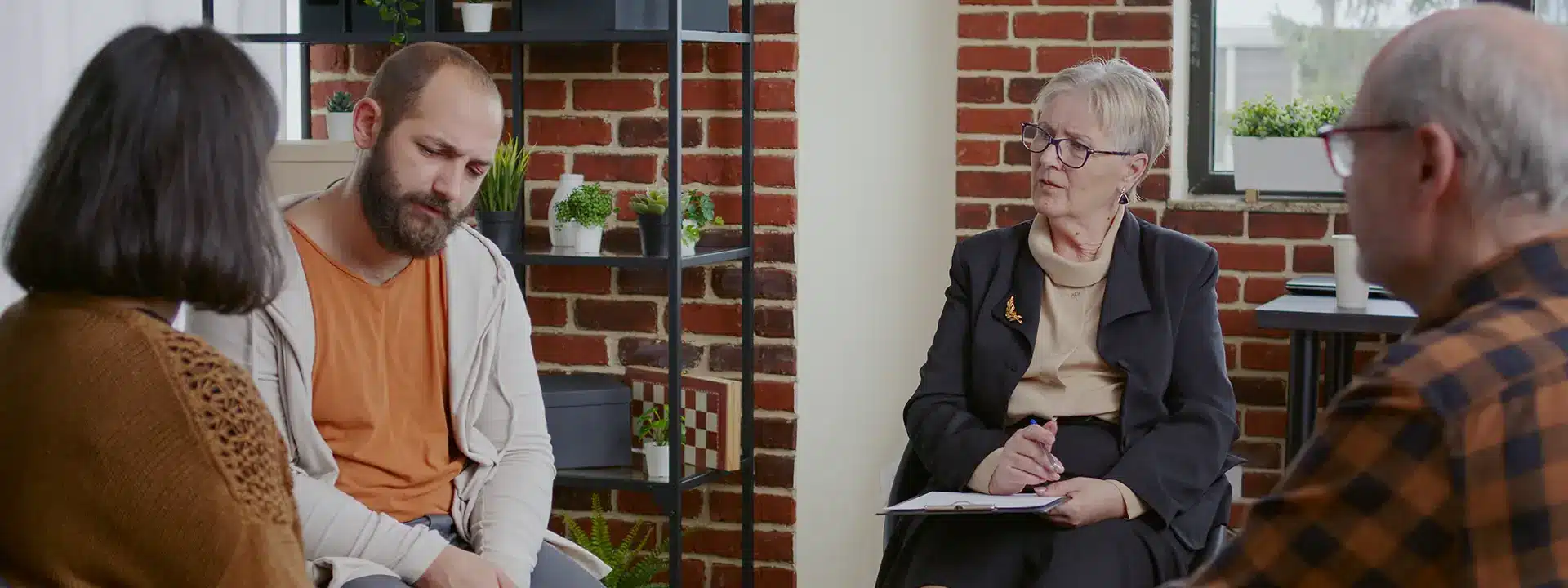

Have you ever felt so high and alive that you thought you could conquer the world? And maybe weeks later, you felt so low that getting out of bed seemed impossible? What if I told you these wild shifts are not just “stress,” but signs of something deeper? Around 2.8% of U.S. adults live with the condition known as bipolar disorder. That’s nearly 3 in every 100 adults.
Think of waking up one day feeling unstoppable, full of energy, ideas, and hope. Then later, you crash. All colors fade. The world seems heavy. Your own mind feels against you. Sounds scary, right?
You might ask: What is bipolar? What makes moods swing so hard? And can you find a steady path out of the chaos?
If you or someone you love feels trapped between soaring highs and crushing lows, you are the only one experiencing it. Many live this hidden struggle daily. But there is reason for hope. With care, support, and understanding, people with bipolar disorder can find balance, stability, and meaning.
Let’s walk this path together. Let’s learn what bipolar is. Let’s see how science explains the swings. And let’s find out how healing becomes possible.
What Is Bipolar — A Simple Yet Serious Reality
Bipolar disorder is a mental illness that changes how people feel, think, and act.
People with bipolar disorder don’t just get sad or moody from time to time. Their moods swing from deep lows to intense highs. These shifts go beyond normal ups and downs.
During a “high” or manic phase, a person might feel like they can do anything. They may talk fast, dream big, sleep little, and act without thinking. During a “low” or depressive phase, they may feel hopeless, tired, sad, or empty.
These cycles can make daily life hard (work, relationships, and even personal safety). The swings can hit without warning.
Why does it feel so different from normal mood changes? Because bipolar changes the brain’s wiring (think about mood, energy, sleep, or thinking) everything gets tangled. That’s why many people don’t realize what’s happening until it becomes serious.
At Alter Behavioral Health, we know this disorder is not a choice. It’s a real condition. We treat it with respect, care, and hope.
What Are Symptoms — When Bipolar Shows Its Face
How can you tell if someone might have bipolar disorder? Recognizing the symptoms matters. Sometimes, people think it’s just “stress,” “being moody,” or “growing pains.” But the signs are stronger and more lasting.
Here are common symptoms:
- Periods of extreme energy. Very little need for sleep. Racing thoughts. Big ideas. Sometimes risky behavior.
- Times of deep sadness. Loss of interest. Fatigue. Hopelessness. Trouble concentrating. Withdrawal from friends or activities.
- Mood shifts that feel sudden or unpredictable. The “highs” and “lows” may last days, weeks, or more.
- Mixed states: sometimes feeling torn between high energy and sadness at the same time. This can be confusing and frightening.
Because symptoms vary, people (or those around them) often miss the pattern. Sometimes what looks like “just anxiety,” “just depression,” or “just stress” is part of a bigger pattern.
At Alter Behavioral Health, we pay close attention to these patterns. We listen. We observe. We care. And we do it because early recognition changes everything.
Why Does Bipolar Disorder Happen — Uncovering the Hidden Clock
You might wonder: why do some people get bipolar disorder? What causes those deep mood swings?
New research offers clues. A 2025 study led by Dr. Kai-Florian Storch at McGill University found something striking. The scientists discovered a second “brain clock” that may drive mood swings in people with bipolar disorder.
Here’s how it works: Everyone has a 24-hour biological clock that regulates sleep and daily rhythms. But in this new research, scientists found a second rhythm — a dopamine-based clock. In some brains, this second clock seems to trigger swings between manic highs and depressive lows.
In their experiments with mice, when this dopamine clock was switched on, the mice showed behaviors like manic or depressed states. And when researchers disrupted the dopamine neurons, the swings stopped.
This discovery matters. It changes how we see bipolar. It is not just “mood swings.” It is a complex brain rhythm gone awry.
That insight gives hope. Because if we can target that clock — maybe with better treatments or therapies — we might help people live steadier lives. At Alter Behavioral Health, we stay on top of such research. And we believe this evolving science can transform care.
How to Diagnose Bipolar Disorder — Spotting the Patterns
If bipolar disorder looks like many other mental health challenges, how do professionals tell it apart?
Doctors and mental-health experts use careful assessments. They ask about past moods, behavior, sleep, energy, and how the person felt in different seasons or stages of life. They check for mania, hypomania (milder highs), depression, and how long episodes last.
Diagnosis often takes time. That’s because bipolar swings may appear rarely. Sometimes the first episode is depression, and mania comes later.
Recent science is adding new tools. A 2025 study by Yassine Ouzar and his team used data from wearable devices and smartphones to track behavioral and physiological signals in people with bipolar depression. These signals helped distinguish bipolar depression from other mood disorders with high accuracy.
That means sooner diagnosis. Clearer patterns. Better care.
At Alter Behavioral Health, we combine best practices — clinical observation, interviews, and, when possible, new tools like wearable-based monitoring. Because we know early, accurate diagnosis matters.
What Causes Bipolar Mood Swings — More Than Just Stress
People often blame bipolar swings on stress, trauma, or life events. But science shows that mood swings in bipolar disorder are more than just a stress reaction. They often stem from a misaligned inner brain clock and brain chemistry.
The same study led by Dr. Storch also showed that dopamine-producing neurons can create an extra internal rhythm. When this clock misfires or is out of sync, mood swings can follow.
It explains why some people get swings even when life seems calm. Because the trigger doesn’t always come from outside. Sometimes, it’s inside (in the brain’s timing system).
That insight also explains why changing sleep routines, stress, or big life events often worsen bipolar disorder. Disturbing the delicate rhythm makes swings more likely.
At Alter Behavioral Health, we understand these root causes. We treat bipolar disorder with more than therapy. We support routines, sleep hygiene, lifestyle adjustments — aiming to help stabilize that inner clock.
Can Bipolar Disorder Be Treated — Hope in Healing
Yes. Bipolar disorder can be (and often is) treated. While it may not disappear, many people live good, stable, full lives with care.
Treatment usually involves a mix of medication, therapy, lifestyle support, and monitoring. Therapy helps understand moods and triggers. Medications help balance brain chemistry. Regular routines and support help build stability.
New science gives more hope. With discoveries like the dopamine clock, future treatments may target the root rhythm, not just symptoms. That could mean fewer mood swings, less disruption. At Alter Behavioral Health, we stay updated with the research. We believe this evolving knowledge helps us design better plans.
Also, people respond differently. Some do very well with therapy plus meds. Others may also benefit from lifestyle changes, sleep schedules, and regular follow-up. That’s why personalized care matters.
And we know support, understanding, and care make a huge difference. You don’t have to carry this alone.
Finding Your Anchor
Life with bipolar disorder can feel like a storm. But there is an anchor. With care, support, and the right team, you can find balance.
If you sense you or someone you love shows signs of bipolar disorder (the extremes). The mood swings. The highs and lows. Don’t ignore them. Don’t chalk them up to stress or “just a phase.”
At Alter Behavioral Health, we walk with you. We listen. We evaluate. We build a plan that fits you.
You don’t have to face the hidden struggle alone. Choose hope. Choose care. Choose stability.
Reach out today.
Common Questions About Bipolar
Is bipolar just mood swings?
A: No. Bipolar swings are more extreme than normal mood changes.
Can bipolar go away on its own?
A: Rarely. Without treatment, swings often return.
Is bipolar disorder caused by trauma or stress only?
A: Not only. Brain rhythms and chemistry also play a big role.
Can children get bipolar?
A: It is less common, but mood changes often start in teens or early adulthood.
Will medicine fix bipolar forever?
A: Medicine helps balance mood but doesn’t “cure.” Ongoing care helps keep stability.
Can lifestyle habits help with bipolar disorder?
A: Yes. Stable sleep, routine, therapy, and support help manage swings.
Is bipolar disorder rare?
A: Not very. About 2.8% of U.S. adults have it.