You spent days preparing for this moment. You folded clothes, gathered your toiletries, and tried to think of everything. But what if some of those things could actually slow down your recovery? Many people arrive at a residential mental health treatment center with items they had no idea were restricted. It feels unfair at first. But every rule around what you cannot bring exists to protect you and the people around you.
The question “What am I not allowed to bring?” is one of the most common concerns families and clients have before admission. The answer is not about making your stay uncomfortable. It is about creating a space where real healing can take place. At Alter Behavioral Health, clear boundaries around belongings are part of a carefully built treatment environment.
Understanding what items are off-limits before you arrive saves stress on admission day. It also sets you up to settle in faster and focus on what matters most: getting better.
1. Why Restricted Items Matter in a Mental Health Setting
Mental health treatment is not just about therapy sessions. It is about creating an entire environment that supports recovery. When unsafe or distracting items enter that space, they can put everyone at risk.
A 2024 study published in Behavioral Sciences (MDPI) found that patient safety incidents in psychiatric residential settings are more common than in general healthcare. Researchers pointed to physical environment hazards and behavioral triggers as key factors. Items brought in by clients can become part of those hazards if not carefully managed.
Facilities like Alter Behavioral Health follow national standards that help keep clients safe. The Joint Commission sets guidelines for prohibited items on psychiatric units, specifically around ligature risks and self-harm prevention. These guidelines directly shape what you cannot bring.
Think of it this way: the rules around belongings are a form of care, not control. Every restricted item list at a quality facility like Alter Behavioral Health is designed with your safety as the top priority.
2. Dangerous Items That Are Never Allowed
Some items carry obvious risks. Others are less obvious but equally dangerous in a mental health setting. Here is what falls under the category of items you cannot bring:
- Sharp objects: Razors, scissors, knives, nail files, and any other pointed tools are not permitted. Even items used daily at home become hazards in a treatment setting.
- Weapons or anything weapon-like: This includes firearms, pepper spray, pocket knives, and similar items. These are not allowed on the premises under any circumstances.
- Alcohol and illegal substances: Any form of alcohol or non-prescribed drugs is strictly prohibited. These directly interfere with drug and alcohol addiction treatment and overall mental health recovery.
- Non-prescribed medications: All medications must be disclosed during admission. Over-the-counter pills and supplements not pre-approved by clinical staff cannot be self-managed.
- Flammable or toxic products: Lighters, aerosol sprays, and similar items are not permitted for safety reasons.
These restrictions are not unique to one facility. They align with standards from the Centers for Medicare and Medicaid Services (CMS) for all psychiatric residential treatment facilities operating in the United States.
3. Electronics and Device Restrictions Explained
This is where many clients feel the biggest surprise. Electronics are a huge part of daily life, but in a residential mental health program, access to phones, tablets, and laptops is often limited or not allowed during certain phases of treatment.
A 2024 study in Issues in Mental Health Nursing explored how mobile phone restrictions in inpatient psychiatric units aim to balance connection with safety. Staff and clients both raised concerns about privacy violations, cyberbullying risks, and the potential for triggering content accessed online during vulnerable treatment periods.
At Alter Behavioral Health, device access is structured to protect all clients. What this typically means:
- Personal smartphones are often stored securely during early treatment phases.
- Cameras and recording devices are not allowed to protect the privacy of all residents.
- Laptops and tablets may be restricted or allowed with clinical oversight, depending on your program level.
- Earbuds, portable speakers, and gaming devices may be restricted or have designated use times.
The goal is not to cut you off from the world. It is to help you build real connections inside the program. Family sessions and participation are a supported way to stay meaningfully connected during treatment.
4. Items That Seem Fine But Are Actually Restricted
Some of the most common surprises on admission day involve everyday items that seem totally harmless. Here is a short list of things that often catch clients off guard:
- Certain clothing items: Clothing with drawstrings, belts with long straps, or ties may be restricted based on ligature risk guidelines that are standard across treatment facilities.
- Valuables and expensive jewelry: High-value items such as designer accessories or large amounts of cash are strongly discouraged. Loss or conflict over possessions can disrupt treatment.
- Food from outside: Outside food is usually not permitted. Nutritional plans are part of a holistic care approach, especially for those with co-occurring conditions like eating disorders or depression that affect appetite.
- Candles, incense, and aromatherapy tools: Open flames and strong scents can be triggering for other clients or pose fire hazards.
- Adult content or graphic media: Books, magazines, or any material with violent or sexual content is not allowed. These can be deeply triggering in a healing space.
If you are unsure whether an item is allowed, the best approach is to call ahead. The admissions team at Alter Behavioral Health can walk you through a full list based on your specific program before your arrival date.
5. What You Should Bring and How to Prepare
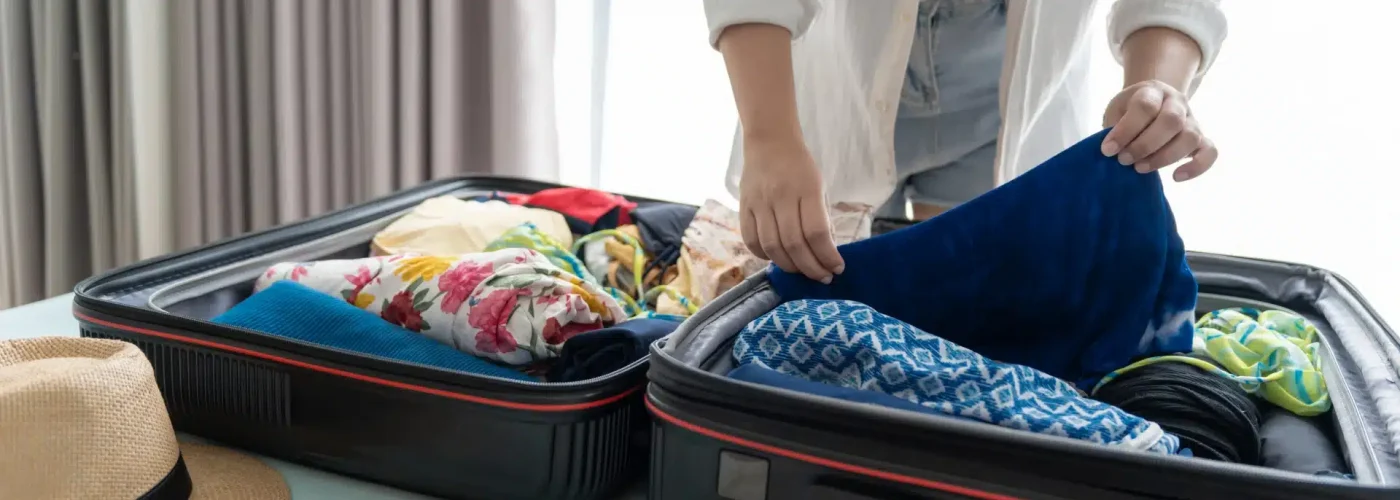
Knowing what you cannot bring is only half the picture. Preparing the right items helps you settle in comfortably and start your treatment with confidence. Here is what is typically encouraged:
- Comfortable, non-restrictive clothing and a few pairs of shoes without long laces
- Personal hygiene products that are non-aerosol and do not contain alcohol
- A small amount of personal cash for approved purchases if your program allows it
- Books, journals, and comfort items that help with mindfulness and relaxation
- Photos of loved ones in non-breakable frames
- Insurance cards and personal identification documents
Alter Behavioral Health treats the whole person, not just the diagnosis. Every part of your stay, including what surrounds you physically, is part of a thoughtful client-centered approach to your care. Before packing, verify your insurance coverage and speak with admissions staff to get a personalized packing guide for your program.
Your Recovery Space Starts Before You Walk In the Door
The items around you during treatment have real power. A safe, structured environment is not accidental. It is built with intention. Knowing what you cannot bring to ABH means you arrive prepared, not blindsided.
At Alter Behavioral Health, every restriction in place exists because your recovery matters deeply. The team here helps you understand the rules, settle into your space, and focus entirely on getting well. Whether you are addressing trauma and PTSD, anxiety, or complex mental health conditions, the environment is ready for you.
Ready to take the first step? Contact the Alter Behavioral Health admissions team today. Get your questions answered, confirm what to bring, and begin your path to real, lasting recovery.
FAQs: What Am I Not Allowed to Bring to ABH?
1. Can I bring my cell phone to Alter Behavioral Health?
Cell phones are typically restricted during early treatment phases to protect client privacy and reduce digital distractions. Access may be adjusted as you progress. Facility staff will explain the specific phone policy during your admission intake process.
2. Are prescription medications allowed?
Yes, but all medications must be disclosed at admission and managed by clinical staff. You cannot self-administer medications during your stay. This ensures safe dosing and prevents dangerous interactions with other treatments used in your personalized care plan.
3. What happens to restricted items when I arrive?
Items that are not allowed will be safely stored or sent home with a family member. Nothing is discarded without your consent. Staff handles this process with care and respect so your admission day feels smooth, not stressful.
4. Can family members bring me items during visits?
Yes, but all items brought by visitors must be approved by staff before they reach you. This protects the safety of all clients in the program. Talking with the admissions or clinical team about approved gift guidelines before any visit is recommended.
5. Are there restrictions on what kind of clothes I can bring?
Clothing with long drawstrings, belts, or ties may be restricted for safety reasons. Comfortable, loose-fitting clothing is encouraged. Reviewing the specific clothing list with the admissions team before packing ensures you bring exactly what you need.
6. Can I bring food or snacks from home?
Outside food is generally not permitted. Alter Behavioral Health provides structured nutrition as part of a holistic care plan. If you have dietary restrictions or preferences, discuss them with admissions staff so the clinical team can accommodate your needs during your stay.
7. Are books and personal journals allowed?
Books and journals are usually welcome as long as the content is not graphic, violent, or sexually explicit. These items support reflection and therapeutic growth. Check with admissions staff if you have a specific book in mind to confirm it meets content guidelines.
8. What personal hygiene products can I bring?
Non-aerosol hygiene products that do not contain alcohol are typically allowed. Items like mouthwash with alcohol content or certain sprays may not be permitted. Bringing travel-sized versions of approved products gives you a comfortable start without any admission day surprises.
9. Where can I get a full list of what to bring and not bring?
The most accurate and up-to-date packing list comes directly from the Alter Behavioral Health admissions team. Calling before your arrival date is the best way to get a complete, program-specific list that removes all the guesswork from your preparation process.